
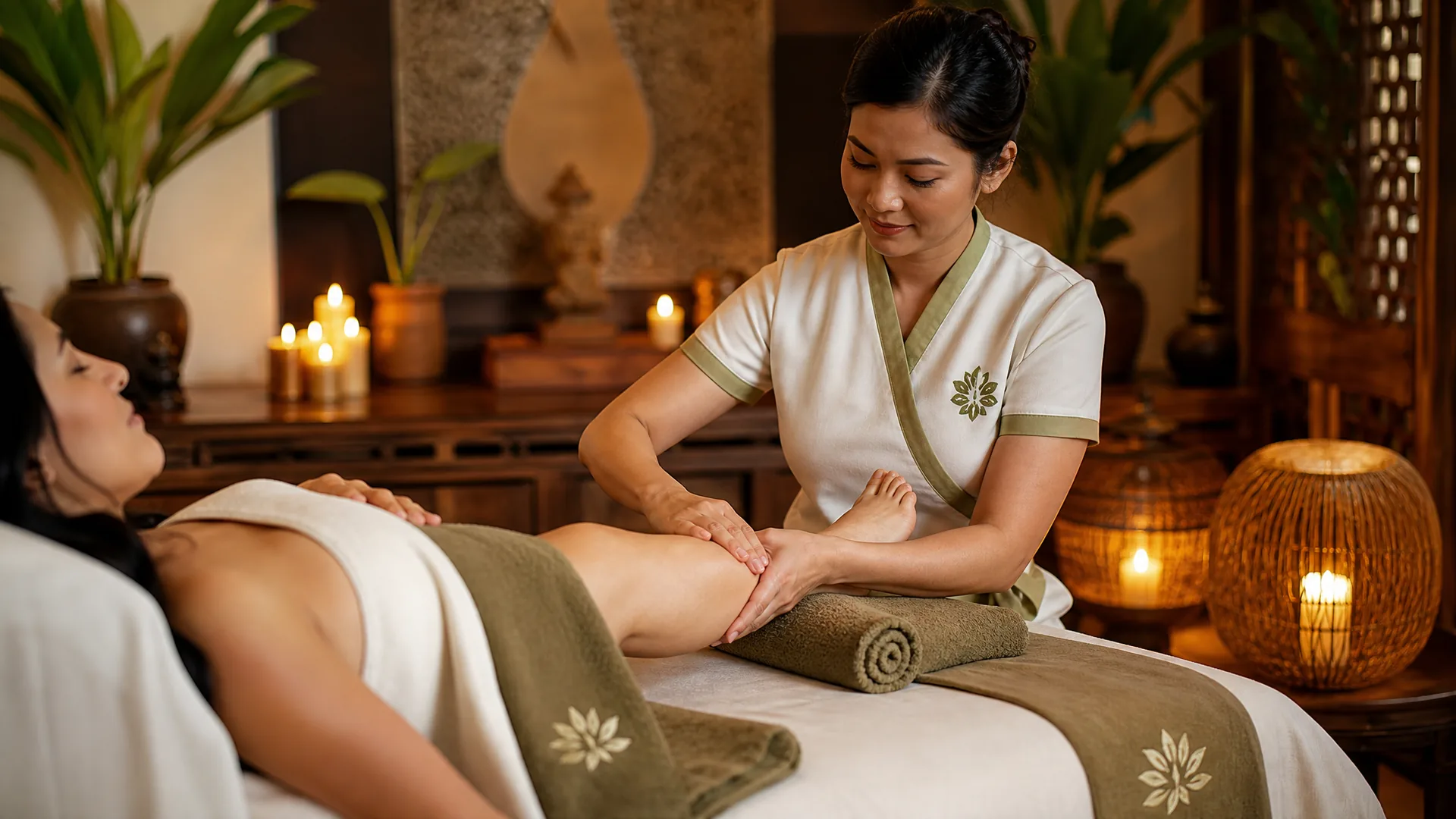
Few treatments are as quietly powerful as lymphatic massage, and yet it remains one of the most misunderstood therapies in wellness. It asks almost nothing of the body: no deep pressure, no vigorous kneading. Instead, it works with extraordinary lightness to coax the body’s own drainage system back into rhythm, clearing the fog of fatigue, dissolving the puffiness of long travel days, and leaving guests with a sense of ease that feels, quite simply, like being restored.
What Is Lymphatic Massage and How Does It Work?
The Lymphatic System: Your Body’s Hidden Drainage Network
The lymphatic system is the body’s great unsung infrastructure. Running parallel to the circulatory system, it is a vast network of vessels, nodes, and fluid, lymph, that carries away cellular waste, excess proteins, bacteria, and metabolic by-products. The lymphatic system contains roughly twice the volume of fluid found in the bloodstream, yet has no dedicated pump. Unlike blood, which has the heart driving it forward, lymph relies entirely on movement, breathing, muscle contractions, and manual stimulation to circulate.
When we sit for long hours on a flight, spend days at a desk, or push through intense physical activity without adequate recovery, lymph can become sluggish. The result is familiar: puffiness around the face and ankles, a heaviness in the limbs, a dull fatigue that sleep alone doesn’t quite resolve. Lymphatic massage addresses precisely this.
How Lymphatic Drainage Massage Technique Differs from Other Massage
Most massage works by targeting muscle tissue, releasing knots, easing tension, increasing circulation through pressure and friction. Lymphatic drainage massage works on an entirely different principle.
Pioneered in the 1930s by Danish physiotherapist Emil Vodder, the technique uses feather-light, rhythmic strokes applied in precise sequences that follow the pathways of the lymphatic vessels. Because the lymphatic vessels sit just beneath the skin, they can actually be collapsed, rather than stimulated, by heavy-handed technique. This is one of the few massage modalities where lighter pressure genuinely produces deeper physiological effects. The Vodder method, which remains one of the most widely taught and clinically referenced approaches today, trains therapists to apply just enough pressure to stretch the skin gently over the underlying vessels, creating a pumping action that moves lymph toward the body’s drainage nodes.
The result feels meditative rather than vigorous. For guests expecting the intensity of a deep-tissue session, it can be a surprise, and a revelation.
The Real Benefits of Lymphatic Drainage Massage
Reducing Swelling and Supporting the Body’s Natural Detox
Lymphatic drainage massage benefits become tangible quickly. The most visible effect is a reduction in puffiness, particularly in the face, legs, and feet. Lymphatic massage for swelling is especially valued by those arriving after long-haul flights, where extended immobility causes fluid to pool in the lower limbs and around the eyes.
On a deeper level, stimulating the lymphatic system supports the body’s natural detox process. As lymph begins to flow freely again, it carries metabolic waste and excess fluid away from tissues and toward the lymph nodes, where it is filtered and eventually excreted. This is not metaphorical, it reflects the system’s actual biological function.
Post-surgical recovery programmes, particularly following breast cancer treatment and liposuction, routinely incorporate manual lymphatic drainage to reduce post-operative swelling and support tissue healing. That clinical use is well established in evidence-based practice and grounds the technique firmly in therapeutic credibility.
Immunity, Recovery, and Deep Rest
The lymphatic system is also central to immune function. Lymph nodes house white blood cells and act as filtering stations for pathogens. When lymph flow is sluggish, this immune surveillance slows too. Regular lymphatic massage supports the nodes in doing their work, which is why many guests notice they feel more resilient in the days following a session.
The benefits extend into the nervous system as well. The treatment’s slow, repetitive rhythms activate the parasympathetic nervous system, the body’s rest-and-repair mode. Many guests describe a profound drowsiness during the session and a deep, quality sleep that night. It is recovery in the fullest sense: physical, immunological, and neurological.
Who Benefits Most, and When to Book a Session
Lymphatic drainage therapy is relevant across a wider range of people than most realise. You do not need a medical condition to benefit. Some of the guests who gain most from a session include:
Travellers arriving jet-lagged. Long-haul flights compress the body, restrict movement, and expose it to recirculated air. The fluid retention and fatigue that follow respond beautifully to lymphatic drainage.
Active individuals post-surf, post-run, or post-gym. Physical exertion generates metabolic by-products in the muscles. Lymphatic massage accelerates their clearance, reducing soreness and shortening recovery time.
Digital nomads and desk-bound workers. Prolonged sitting restricts the natural movement that keeps lymph circulating. If stiff legs, tight calves, and a general heaviness have become familiar, a lymphatic session can reset the baseline.
Anyone after a period of stress or overindulgence. Whether from a demanding work period, a festival weekend, or the rich food and late nights of holiday life, the lymphatic system bears the load. A session offers a meaningful reset.
Lymphatic massage is generally very safe, but there are situations where caution applies: active infection or fever, acute deep-vein thrombosis, and certain heart or kidney conditions that may affect fluid balance. When in doubt, consult a healthcare professional before booking.
Lymphatic Massage in Bali: Why Seminyak Is the Ideal Setting
Bali has long been a destination for those seeking genuine restoration, not just relaxation. Its wellness culture is woven into daily life, from morning offerings to generations of traditional bodywork passed through families and villages. That cultural foundation makes lymphatic massage in Bali a particularly resonant pairing: a contemporary therapeutic technique that finds its fullest expression within a tradition that already understands the body as something to be tended with care and ceremony.
Seminyak is at the centre of Bali’s modern wellness scene, refined enough to attract those who want excellence, unhurried enough to allow real rest. Balinese spa treatments for stress relief have made this neighbourhood a destination in their own right, and lymphatic massage fits naturally within that offering.
At Essential Health & Rejuvenation Spa in Seminyak Square, many guests book lymphatic drainage sessions on the first or second day of their Bali stay, specifically to reset after long-haul flights, addressing the fluid retention, fatigue, and heaviness that extended travel produces. For those who prefer treatment at their accommodation, Essential On Call mobile spa service across Seminyak and Bali brings qualified therapists directly to your villa or hotel room, so recovery begins the moment you arrive.
What to Expect During and After Your Lymphatic Drainage Session
From the first touch, a lymphatic drainage session feels different from any massage you may have experienced before. The pressure is almost impossibly light, like warm hands resting gently on the skin and then releasing, over and again, in slow, hypnotic waves. No friction, no intensity. Just rhythm.
A full session typically lasts 60 to 90 minutes, moving methodically across the body: beginning at the major lymph node clusters in the neck and collarbone, then working across the torso, arms, and legs. As the session progresses, many guests notice a sensation of release, a subtle sense of things moving that had felt still.
Afterwards, the predominant feeling is lightness. Guests often describe it as stepping out of something heavy they hadn’t noticed they were wearing. Mild tiredness is common in the hours that follow, as the body continues processing; this is entirely normal and a sign the treatment is working.
Aftercare is simple: drink plenty of water in the hours following your session to support the ongoing clearance of waste, rest if you can, and avoid alcohol or heavy meals for the rest of the day. Many guests find that a lymphatic drainage session in the morning sets the entire tone of their Bali stay.
Making Lymphatic Massage Part of Your Wellness Ritual
A single lymphatic massage is genuinely valuable, but the benefits deepen with consistency. The lymphatic system responds to regular stimulation the way any system does: it becomes more efficient, more resilient. Guests who return for a second session within a week often report that the effects feel amplified, and those who integrate lymphatic drainage into a regular wellness rhythm, even monthly, describe a sustained baseline of lightness, clarity, and ease that becomes their new normal.
Pairing lymphatic drainage with complementary treatments enhances the experience further. A Balinese massage before or after addresses the muscular tension that lymphatic work doesn’t target. Body wraps support the detoxification process through the skin. Together, these treatments create a layered wellness ritual rather than a single isolated session.
If you are ready to begin, we invite you to explore the full treatments menu at Essential Health & Rejuvenation Spa or enquire about bringing the experience to you through in-villa massage delivered to your door in Seminyak. Whether you find us at Seminyak Square or we come to you, let this be the moment your body begins to truly rest.