
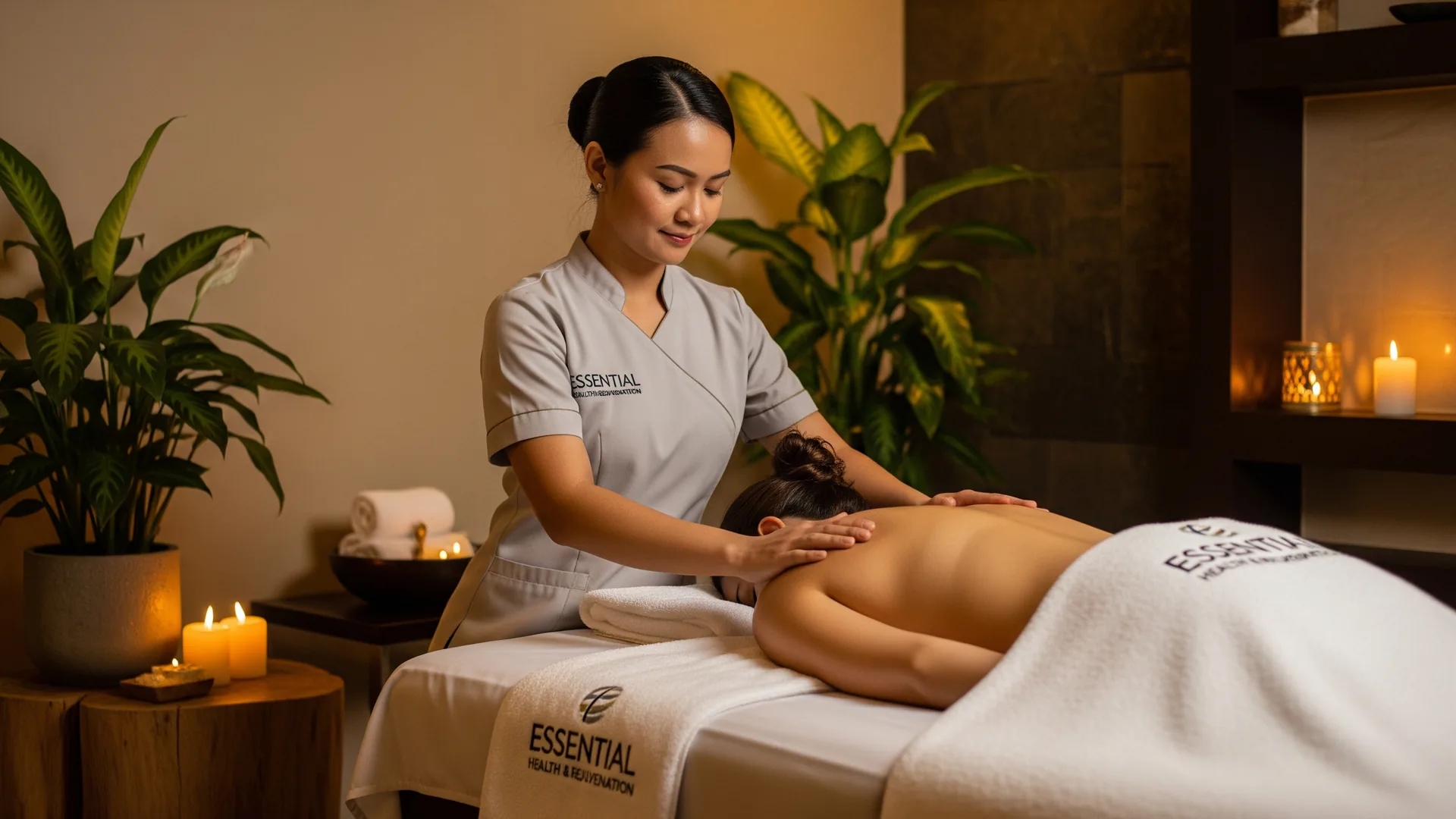
There is a quiet moment, somewhere between the first touch of warm oil and the release of a tight shoulder, when the body simply exhales. Many guests arrive expecting little more than relaxation. What they find, again and again, is something deeper: measurable, physical change. The health benefits of body massage therapy reach well beyond a pleasant hour on the table. They touch circulation, immunity, sleep, and the nervous system in ways that science can now explain with some precision.
Why Body Massage Therapy Is More Than a Luxury
For a long time, massage sat in the same category as a nice dinner or a day off, a treat to be justified, not a habit to be maintained. That framing is shifting. Physiotherapists, sports medicine practitioners, and integrative doctors now talk about massage the way they talk about sleep or movement: as a foundational input to a well-functioning body.
This does not mean the sensory pleasure of a massage is beside the point. Comfort and calm are part of how the therapy works, not a distraction from it. But the conversation can move beyond indulgence, into something closer to preventive care.
From Indulgence to Preventive Care
Preventive care means addressing small imbalances before they become larger problems: the tight neck before it becomes a chronic headache, the shallow sleep before it becomes exhaustion, the low-grade stress before it becomes burnout. Regular therapeutic massage fits this model because it works on the body’s baseline state, not just its acute complaints.
Guests who book a single massage during a stressful week feel better for a few days. Guests who build massage into a regular rhythm describe a different kind of change: steadier energy, fewer flare-ups of old injuries, a nervous system that recovers faster from daily pressure. That distinction, between occasional relief and ongoing resilience, is at the heart of the preventive wellness angle this guide explores.
How Massage Therapy Improves Circulation and Cardiovascular Health
One of the most consistently observed effects of massage is its impact on blood flow. Manual pressure applied to soft tissue temporarily compresses and then releases blood vessels, encouraging blood to move more efficiently through areas that may have grown stagnant from long sitting, injury, or muscular tension.
This matters because efficient circulation is not just about warmth in the hands and feet. It affects how quickly oxygen and nutrients reach muscle tissue, and how quickly metabolic waste clears away after exertion or long periods of stillness.
The Science of Blood Flow and Recovery
Rhythmic strokes, applied in the direction of venous return, are thought to assist blood moving back toward the heart, easing the load on the circulatory system. For athletes and active guests, this means a genuine role in recovery: reduced muscle soreness, better range of motion, a faster return to training after intense sessions.
For guests who spend hours seated, whether on long-haul flights or at a laptop, the effect is different but no less useful. Massage counters the circulatory sluggishness that comes from prolonged stillness, which is one reason so many travellers feel physically lighter after a session, not just more relaxed. Those interested in the techniques behind these effects can look into traditional therapeutic massage techniques in Bali, many of which were developed specifically to move blood and energy through the body.
Massage Therapy and Immune System Support
Can massage therapy boost the immune system? The honest answer is that it supports the conditions the immune system needs, rather than acting as a direct immune booster in itself. Chronic stress suppresses immune response over time, and massage’s ability to lower stress hormones gives the immune system more room to do its job.
There is also a more direct mechanical pathway: the lymphatic system.
Lymphatic Drainage and Everyday Immunity
Unlike blood, lymph has no central pump. It relies on muscle movement and external pressure to circulate, carrying away cellular waste and supporting the transport of immune cells throughout the body. Massage techniques that follow the lymphatic pathways encourage this fluid to move more freely, which is why many guests notice less puffiness and a lighter feeling in the limbs after a session.
This is a large enough topic that it deserves its own space, and readers who want the full picture can explore how lymphatic massage supports immunity in more depth. For everyday preventive wellness, the takeaway is simple: a body that clears waste efficiently and manages stress well is a body better positioned to resist illness.
The Link Between Therapeutic Massage and Better Sleep
Does massage therapy help with sleep problems? For many guests, this is the benefit they notice first and value most. Poor sleep is rarely just about tiredness. It is tangled up with muscular tension, an overactive mind, and a nervous system stuck in a low simmer of alertness.
Massage addresses several of these threads at once. Physically, it releases the muscular tightness that can make lying still uncomfortable, particularly in the neck, shoulders, and lower back. Physiologically, it is linked to a drop in circulating cortisol, the stress hormone that keeps the body alert when it should be winding down. As cortisol falls, the body finds an easier path into the deeper, more restorative stages of sleep.
This matters especially for travellers and digital nomads, whose sleep is often already disrupted by time zone changes, unfamiliar beds, or irregular schedules. A massage before bed, or earlier in the evening, can help reset a body that has forgotten what “off duty” feels like.
Mental Health Benefits of Body Massage Wellness
The mental health benefits of massage are where the science and the ceremony of bodywork meet most clearly. Touch, applied with intention and skill, communicates safety to the nervous system in a way words rarely can.
Easing Stress and Anxiety
When the body registers safety, it shifts out of a sympathetic “fight or flight” state and into the parasympathetic state associated with rest and digestion. Heart rate slows, breathing deepens, and the mind, often without any conscious effort, begins to quiet. This is one of the clearest mechanisms behind massage’s reputation for easing stress and anxiety. It is not simply distraction, but a genuine physiological shift.
Digital nomads working long hours from cafés in Canggu or Seminyak often develop tension headaches and postural strain that regular therapeutic massage can help relieve. For this audience, the mental relief and the physical relief tend to arrive together, since so much of their stress accumulates in the same tight shoulders and jaw that carry the day’s tension.
Massage as a Mind-Body Ritual
There is also something to be said for ritual itself. Setting aside dedicated time, in a quiet room, to be cared for without distraction, is a rare kind of permission in a busy life. At Essential Health & Rejuvenation Spa, therapists tailor pressure and technique to each guest’s needs, whether that is easing travel fatigue, supporting muscle recovery, or calming an overactive nervous system. That attentiveness turns the session into something closer to a considered ritual than a transaction, which is part of why its calming effects tend to outlast the appointment itself. Guests exploring this connection further may find balancing work stress with regular wellness habits a useful companion read.
Who Benefits Most from Regular Therapeutic Massage
Almost everyone can benefit from body massage wellness in some form, but certain lifestyles make the case for regular sessions especially strong.
Digital Nomads, Athletes, and Frequent Travellers
Remote workers spending long days hunched over laptops often carry tension in the neck, upper back, and wrists that builds silently until it becomes pain. Regular massage interrupts that build-up before it turns chronic.
Athletes and surfers recovering from intense sessions frequently use massage as part of a structured recovery routine rather than an occasional indulgence. For this group, sports massage for muscle recovery offers a more targeted approach than a general relaxation treatment.
Frequent travellers and long-term expats face a different challenge: the cumulative fatigue of flights, changing climates, and disrupted routines. For this group, making massage part of a long-term wellness routine is less about a single fix and more about maintaining a steady baseline of wellbeing over months and years.
How often should you get a massage for preventive health benefits? There is no single answer for every body, but bodywork practitioners broadly agree that consistent massage, rather than a single one-off session, produces the most meaningful improvements in circulation, sleep quality, and stress resilience. Many guests find that a session every few weeks, adjusted around travel, training, or workload, offers a sustainable rhythm.
Is massage therapy backed by science, or is it simply relaxation? The honest answer sits between the two. The relaxation is real and valuable in its own right, but it is underpinned by physiological changes in circulation, lymph flow, cortisol levels, and nervous system regulation that researchers and clinicians continue to study through 2026 and beyond. Massage does not replace medical care, but as preventive wellness, it holds up to genuine scrutiny.
Whether you are staying in Seminyak, Canggu, Umalas, or further afield in Uluwatu or Sanur, this kind of care does not need to wait for a dedicated spa day. Through Essential On Call, therapists travel directly to your villa, hotel room, or home, bringing the same tailored attention to wherever you are resting. If you are ready to make massage part of how you look after yourself, we invite you to explore our therapeutic massage treatments and book a session, in-spa at Seminyak Square or wherever in Bali you happen to be.