
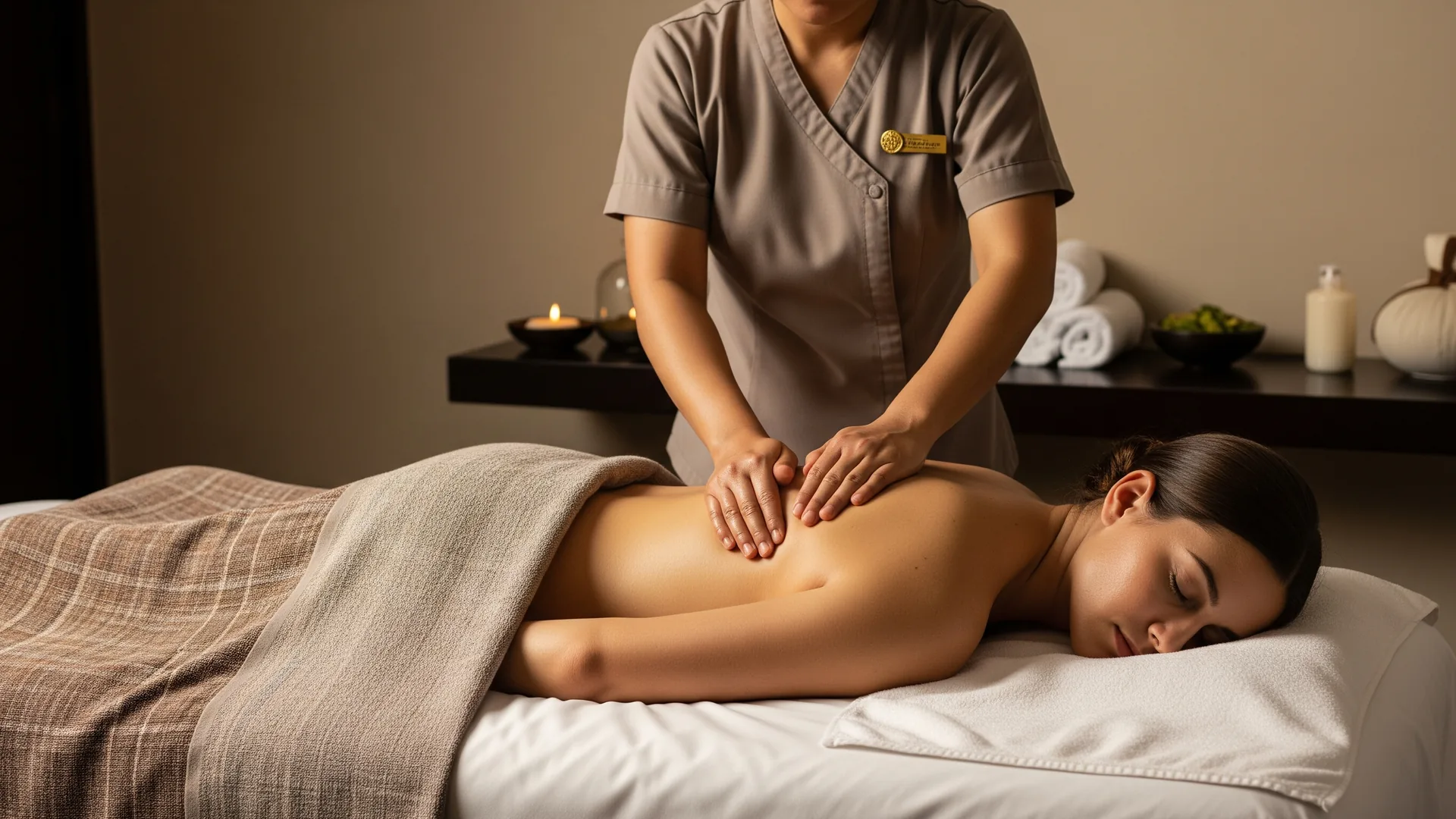
Bali has long been understood as a place where healing runs deeper than the surface. Therapeutic massage Bali traditional techniques are not a modern wellness invention, they are the living expression of a culture that has always treated the body, mind, and soul as one. To receive a Balinese massage is to step into a practice shaped by centuries of knowledge, ceremony, and care.
The Roots of Balinese Healing Massage
Traditional Balinese healing does not belong to any single tradition. It draws on three distinct streams: Ayurvedic medicine, which arrived through ancient trade and Hindu influence; Traditional Chinese Medicine, which introduced the mapping of energy pathways and pressure point work; and the indigenous Balinese healing system known as Usada, a body of knowledge passed down through generations of local healers called balian. Together, these form an integrative practice that works on physical tissue, energy flow, and emotional balance at once.
This is what makes the Balinese wellness philosophy of body, mind, and soul so distinct from purely mechanical approaches to bodywork. The therapist is not simply applying pressure to muscle, they are participating in a ritual of restoration.
How Balinese Tradition Shapes Every Touch
Every element of a traditional Bali massage carries intention. The aromatic oils are chosen for their therapeutic properties. The sequence of movements follows a logic, opening, deepening, releasing, that mirrors the Balinese understanding of how energy moves through the body. Even the setting is part of the healing: the warmth, the scent, the quiet are not incidental but carefully held conditions for the treatment to work fully.
This ceremonial quality is why traditional Balinese healing has endured not as a cultural relic but as a genuinely effective therapeutic practice, increasingly sought by guests who want something more than temporary relief.
Core Balinese Massage Techniques and Their Therapeutic Mechanisms
What distinguishes the Balinese massage technique from other styles is the layering. It moves between gentle and firm, broad and precise, always building on what came before. Each technique serves a specific physiological purpose within the wider sequence.
Long Strokes and Kneading: Working the Deeper Layers
The session typically opens with long, gliding strokes, drawn from effleurage traditions, applied with full-hand contact along the length of the back, limbs, and torso. These strokes warm the tissue, encourage blood flow toward the heart, and signal to the nervous system that it is safe to soften. They are an invitation before an intervention.
From there, the therapist moves into kneading: lifting, compressing, and releasing the muscle belly in rhythmic cycles. This targets the deeper muscular layers, breaking up adhesions and encouraging the release of fascial tension that accumulates from stress, travel, or prolonged sitting. The lymphatic benefits of therapeutic massage are also activated here, as the rhythmic pumping action moves lymphatic fluid and supports the body’s natural detoxification processes.
Acupressure, Thumb Circles, and Skin Rolling
Once the tissue is warm and receptive, the therapist introduces more precise work. Thumb circles, small, controlled rotations applied to specific points along the muscles and energy meridians, release local tension while stimulating circulation at a cellular level. Acupressure point work, drawn from Traditional Chinese Medicine, activates pressure points understood to stimulate endorphin release and improve energy flow along the meridians that govern organ function and emotional regulation.
Skin rolling, grasping and lifting the skin between thumb and fingers, then rolling it slowly across the underlying fascia, addresses the connective tissue layer directly. It improves elasticity, reduces the grip of scar tissue, and creates a noticeable sense of lightness in the area treated. Together, these techniques follow Bali’s three-stage release, restore, and rebalance approach to wellness, moving the body progressively from tension toward equilibrium.
The Balinese Scrub: Ritual Exfoliation as Healing Practice
The Balinese scrub, known as lulur, carries one of the most beautiful origin stories in the spa world. It began in the royal courts of Java and Bali as a pre-wedding purification ritual for brides, a preparation of the body as sacred vessel. The lulur was not a cosmetic treatment. It was a rite of readiness, performed over many days to cleanse, soften, and illuminate the skin before a life-marking ceremony.
That ceremonial heritage shapes the way lulur is still practised today. The traditional blend combines turmeric, known for its anti-inflammatory and brightening properties, with finely milled rice, ground ginger, and coconut. Applied in gentle circular motions across the skin, the paste draws away dead skin cells and surface impurities while the active compounds in the spices stimulate circulation and nourish the underlying tissue.
The warming effect of ginger and the antioxidant quality of turmeric mean the lulur works on the skin’s health as much as its appearance. Coconut, used as a binding agent and to soften the paste, leaves the skin deeply moisturised rather than stripped. When the scrub is rinsed and followed immediately by massage, the newly exfoliated skin absorbs the therapeutic oils far more effectively. This is why the Balinese scrub is best understood as the first act of the healing session, not a separate beauty service.
Traditional Bali Massage Styles: From Gentle Relaxation to Deep Therapeutic Work
There is no single expression of traditional Bali massage. The tradition contains a spectrum of styles, each calibrated to a different therapeutic need. Understanding that spectrum helps guests choose the right treatment, and helps them trust that whatever they need is available.
Balinese Relaxation Massage vs. Deep Tissue Bodywork
The Balinese relaxation massage sits at the softer end of the spectrum. It uses the full vocabulary of Balinese massage technique, long strokes, kneading, gentle acupressure, but with lighter pressure and a slower, more meditative rhythm. Its primary aim is nervous system regulation: guiding the body out of sympathetic arousal and into the parasympathetic state where deep rest and recovery happen. For guests arriving exhausted from travel, overstimulated by Bali’s energy, or simply in need of stillness, this is the appropriate starting point. It is also where the Balinese spa treatments for stress relief tradition is most directly felt.
Deeper therapeutic bodywork uses the same foundational techniques but applies sustained, firmer pressure to reach chronic tension held in the deeper muscle layers and connective tissue. This suits guests carrying long-term postural strain, muscular tightness, or the physical residue of a busy life. The therapist works more slowly within each area, holding pressure through the breath cycle to allow the tissue to genuinely release rather than simply respond.
Warm Oil Treatments and Herbal Compress Therapies
Warm oil treatments extend the therapeutic reach of the massage by using heat as a delivery mechanism. Heated herbal oils are applied at a temperature that relaxes the muscle tissue before any manual technique begins, allowing the therapist to work more deeply with less effort and greater comfort for the guest.
Boreh, the traditional Balinese herbal compress and paste, holds a particularly special place in this tradition. Made from cloves, ginger, galangal, and rice, boreh has been used by Balinese farmers for generations to relieve the deep muscle fatigue of working the rice fields. It is a practical remedy rooted in necessity, later recognised for its ceremonial potential and brought into the spa context. Applied as a warm paste or compress, boreh creates sustained heat that penetrates the muscle belly, stimulates circulation, and delivers the anti-inflammatory properties of its spice compounds directly to the affected tissue. For guests with chronic muscular tension or cold, stiff joints, it is profoundly effective.
What to Expect During a Balinese Healing Massage Session
A session typically runs between 60 and 120 minutes. You will be invited to choose your preferred oil, commonly coconut, frangipani, or a blend of therapeutic Balinese herbs, each with a distinct aromatic and physiological character. Undressing to your comfort level is standard; therapists are trained in proper draping throughout.
The session begins with the therapist grounding their intention: a brief, quiet moment that marks the transition from everyday pace to therapeutic space. Long strokes open the body gently across the back, shoulders, arms, and legs before the therapist moves into the deeper kneading and acupressure work. Pressure is always responsive. Your therapist will check in and adjust to your needs, so honest communication at the outset makes the session far more effective.
By the midpoint of the session, most guests find that thought begins to slow. The nervous system has shifted. The quality of sensation changes from awareness of technique to simple, whole-body ease. This is the state the sequence is designed to reach, and it deepens through the final movements before the session closes with long, settling strokes that signal completion.
After a session, drinking water and resting quietly for at least 30 minutes allows the body to integrate the work fully. Knowing what to expect from a rejuvenation spa treatment beforehand makes a genuine difference to how openly you can receive it.
Experiencing Balinese Massage Technique in Seminyak Today
Seminyak is home to some of Bali’s finest spa experiences, and where healing meets ritual in Seminyak has never been more accessible. At Essential Health & Rejuvenation Spa in Seminyak Square, every therapeutic massage Bali traditional techniques session is delivered by trained therapists who understand how to layer the signature techniques, from opening long strokes to targeted acupressure, in a sequence that progressively deepens relaxation and therapeutic effect.
If you prefer the comfort of your own space, the Essential On Call service brings the full treatment experience directly to you, bringing Balinese massage to your villa or hotel room anywhere across Seminyak and the surrounding areas. The same quality, the same trained therapists, the same ceremonial care, in the sanctuary of your own accommodation.
We invite you to explore our treatments menu and choose the Balinese healing massage experience that speaks to what you need most today. Whether you are drawn to the meditative ease of a relaxation massage, the restorative depth of boreh and herbal compress therapy, or the full ceremonial arc of a lulur scrub paired with traditional bodywork, we are here to hold that space for you. Book your session with us, and let these living traditions do what they have always done: restore you, wholly.